Instructional Format
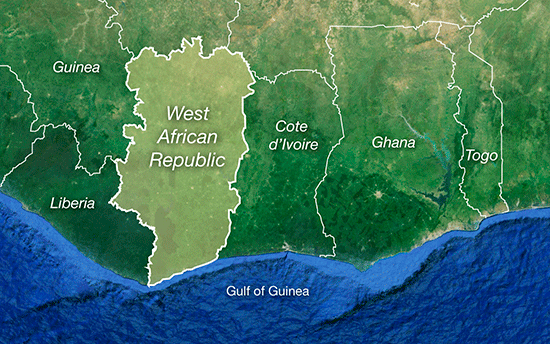
Learning is accomplished through lectures by an exceptional instructor with decades of industry experience, group discussion of timely business case studies, and team participation in WANOCO, a challenging business simulation in which participant teams are asked to develop and manage the organization and growth of the National Oil Company’s international affiliate over a 20-year simulated timeframe.
Teams select from a portfolio of opportunities at the outset. As time progresses and more opportunities become available, they must decide whether to retain, divest, or expand existing businesses, invest in new business opportunities, or bring in other partners. At the same time, participants must respond to a number of events and incidents that will affect their portfolio.
Who Should Attend
This program is designed for international oil and gas analysts, team leads, and managers who seek to enhance their skills in planning, managing, and leading international oil and gas businesses (and associated subsidiaries) to improve overall commercial performance.
Program Content
Overview of Energy Industry: Global and Regional Trends
This opening session offers participants a comprehensive overview of the global energy landscape, covering the structure and dynamics of the oil and gas industry, key players, market forces, and the evolving regulatory environment. Participants will examine how upstream, midstream, and downstream activities are interconnected and how macro trends, including energy demand growth, geopolitics, and commodity price cycles, shape strategic decision-making across the sector.
Fundamentals of Strategic Planning
This session introduces the core concepts and frameworks of strategic planning for the energy sector. Participants will explore tools such as SWOT analysis and scenario planning to assess competitive positioning and define long-term strategic direction. Emphasis is placed on translating strategic intent into actionable priorities within complex, capital-intensive organizations, such as those in the oil & gas sector.
Review of Financial Analysis and Statements
A solid grasp of financial performance is essential to effective strategic decision-making. This session offers a practical review of financial statements — income statements, balance sheets, and cash flow statements — and the key metrics used to assess business health and investment value in the oil and gas industry. Participants will learn to read, interpret, and apply financial data in the context of strategic planning.
Managing Major Capital Projects (Stage-Gate Project Management Process)
Oil and gas companies routinely manage some of the world’s largest and most complex capital projects. This session examines the Stage-Gate project management process as a structured framework for governing major investments from concept through execution. Topics include project evaluation (including FID), risk assessment, cost and schedule control, and the organizational disciplines required to deliver projects on time and within budget.
Effective Business Planning
Effective business planning requires aligning operational realities with strategic ambitions. This session covers developing operational and production plans, setting clear, measurable goals and key performance indicators, and the critical role of stakeholder engagement in securing organizational buy-in. Participants will work through practical frameworks for building business plans that are both motivating and doable.
Strategic Analysis of National Oil & Gas Companies (NOCs)
National Oil Companies occupy a unique and powerful position in the global energy system, balancing commercial objectives with national development mandates. This session provides a strategic analysis of NOC business models, governance structures, competitive advantages, and the pressures they face from the energy transition, fiscal demands, and evolving global markets. Comparative case studies will illustrate how leading NOCs are repositioning themselves for long-term relevance.
Implementing the Strategic Plan: Alignment and Communication; Resource Allocation
Strategy delivers value only when it is effectively implemented. This session focuses on the organizational disciplines needed to translate a strategic plan into action — aligning teams and business units around shared priorities, communicating strategy clearly at all levels, and making informed resource-allocation decisions. Participants will examine common implementation failures and the leadership behaviors that drive successful execution.
The Challenge of Leadership
Strategic planning and execution are ultimately human endeavors, dependent on the quality of leadership at every level of the organization. This session explores the leadership competencies most critical in the energy sector, including decision-making under uncertainty, managing organizational change, building high-performing teams, and leading with integrity in politically complex environments. Participants will reflect on their leadership styles and how to strengthen their effectiveness as strategic leaders.
Roadmap to Success: Performance Monitoring, Risk Management, and Aligning Culture and Strategy
Sustaining strategic momentum requires robust systems to track progress, manage risk, and adapt to change. This session examines how organizations build performance-monitoring frameworks, identify and mitigate strategic risks, lead change initiatives, and ensure that organizational culture supports — rather than undermines — strategic goals. Participants will leave with practical tools to keep strategy on track in a dynamic operating environment.
Overview of Global Energy Transition and Its Impact on Africa’s Energy Projects
The global energy transition is reshaping investment flows, policy frameworks, and competitive dynamics across the industry. This session examines the key drivers of the transition — decarbonization commitments, renewable energy growth, and evolving financing conditions — and their implications for Africa’s energy sector. Participants will explore how African countries and NOCs can advance energy security and economic development while navigating the opportunities and constraints of the global energy transition.
Review of NNPC Limited Compared to Other NOCs with Private Ownership
This concluding session takes an in-depth look at NNPC Limited following its transition to a commercial entity, benchmarking its structure, governance, and strategic priorities against those of NOCs that have undergone full or partial privatization. Drawing on a comparative analysis of peers such as Saudi Aramco, Equinor, and Petrobras, participants will assess how ownership models influence strategic agility, access to capital, operational efficiency, and long-term value creation.