Program Objectives
This program focuses on managing and leading international oil and gas enterprises during times of change to maximize overall performance. Its objectives are achieved through group discussions of business case studies and team participation in an enterprise-wide business simulation game. The simulation game will challenge teams to plan and manage the growth of an organization as it faces a series of strategic decisions that require the assessment of international, national, and local trends and policies, portfolio performance, enterprise resources, as well as environmental and business risks.
Instructional Format
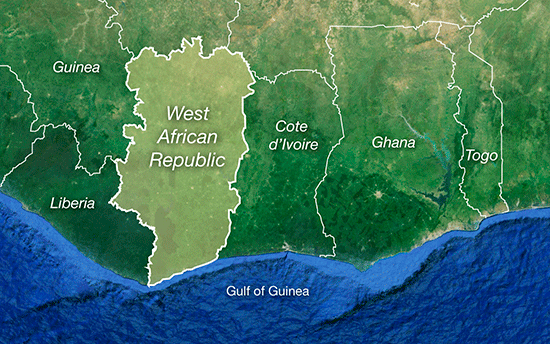
Learning is accomplished through lectures by an exceptional instructor with decades industry experience, group discussion of timely business case studies, and team participation in WANOCO, a challenging business simulation, in which participant teams are asked to develop and manage the organization and growth of the international affiliate of the National Oil Company of the West African Republic over a 20-year simulated timeframe.
Teams select from a portfolio of opportunities at the outset. As time progresses and more opportunities become available, they must decide whether to retain, divest, or expand existing businesses, invest in new business opportunities, or bring in others partners. At the same time, participants must respond to a number of events that will have an impact on their portfolio.
Who Should Attend
This program is designed for international oil and gas managers and executives seeking to enhance their skills in managing and leading international oil and gas enterprises and improve overall performance.
Lecture Sessions
Global, Regional, and Local Industry Trends and Expectations
Identification of global trends that affect all businesses; petroleum industry trends; local and regional issues that affect the local energy businesses. Current conditions and growth forecasts of the business environment.
Strategic Planning Overview
Vision and mission statements, goals, objectives, organizational structure, and processes for managing change.
Measuring Corporate Financial Performance
Historical and pro forma financial statements, portfolio analysis, and the capacity to obtain additional capital resources.
Stage-Gate Project Management
Application of the Stage Gate process to major capital projects; description of the process through its five stages; project-related issues, including project scope definition, financing agreements, term sheets, project planning, basis of design, alternative technologies, and project execution considerations.
Characterizing Business Opportunities
Systematic evaluation and classification of project opportunities based on key metrics and value drivers such as project fundamentals, economic attractiveness, competitive position, and strategic fit into the corporate portfolio.
Strategic Analysis of NOCs
Formation of new business models and alliances; changing roles of National Oil Companies (NOCs) in global and local markets; implications on the supply of oil
and gas resources.
Developing a Competent National Workforce
The process of planning, managing, and implementing a competency management system to enhance the performance of the national workforce. Case studies of successful competency management system implementations.
The Challenge of Leadership
Participants will explore, through business case studies, the fundamentals of leadership and managing enterprise growth. They will learn how leaders manage change, especially in international enterprises.
ESG and Sustainability
How energy companies communicate and collaborate effectively with employees, customers, investors, communities, and other stakeholders to identify material issues, build trust, and reduce environmental impact. The session explores how ESG and Sustainability goals are linked to long-term business strategies.
Overview of Energy Transition
Summary of the impacts of GHG emissions on climate, historical energy demand, supply, projections of energy demand, supply, and emissions through 2050, provided by the transition to renewable energy; other actions to reduce emissions, including low-carbon fuels, carbon capture & storage, and a potential path to net-zero emissions by 2050.
NOC vs. IOC Case Study
A practical case study discussion on the broader competitive approach followed by NOCs. Many global investors see NOCs turning to strategic tools like IPOs and joint ventures to improve technical efficiency and enhance global competitiveness. Hybrid strategies by select NOCs (e.g., Petrobras, Petronas, and Equinor). The strategic and financial contrasts between NOC and IOC business models.